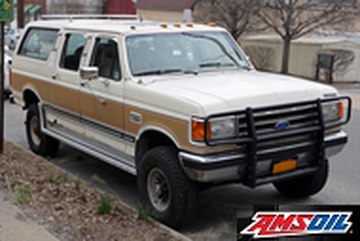
Maintaining Lubrication Integrity for the 1981 Ford Trucks BRONCO 5.8L
Proper engine maintenance is a cornerstone of long-term vehicle health, particularly for high-displacement engines like the 5.8L found in this 1981 Ford Trucks Bronco. Maintaining the correct lubrication standards ensures that internal components remain protected against friction and thermal stress. Because older vehicles often undergo changes in ownership or varying levels of care, establishing a clear understanding of current engine needs is essential for any owner.Monitoring Fluid Condition and Potential Leaks
A primary aspect of routine service involves the frequent observation of the engine bay for signs of fluid movement. For an engine of this era, inspecting various sealing surfaces is a practical way to monitor health. Rather than assuming specific components will fail, owners should look for any evidence of seepage or active leakage around gaskets and seals. When performing visual inspections, it is useful to check the area surrounding the oil pan and other major engine junctions. If any wetness or residue is detected, it warrants further investigation to determine if a seal is aging or if a component requires tightening. Additionally, checking for unusual lubricant consumption—noticing that the level on the dipstick drops more frequently than expected—can be an early indicator that the engine's sealing integrity is changing.Observing Operational Warning Signs
While many maintenance tasks are proactive, being able to recognize when something requires immediate attention can prevent larger issues. Changes in how the engine operates often serve as indicators of lubrication or mechanical changes. If you notice unusual mechanical noises during startup or while idling, this may be associated with changes in lubricant thickness or volume. Furthermore, any sudden appearance of warning lights on the dashboard related to oil levels or pressure should be treated with immediate priority. It is also important to note that symptoms like a burning odor or visible smoke from the exhaust can have multiple causes; these should be investigated by a professional to determine if they are linked to lubrication issues or other mechanical factors.Prioritizing Maintenance Based on Current Condition
For a vehicle that has been in service for several decades, maintenance priorities should be dictated by the actual condition of the machine rather than just its age. If you have recently acquired this Bronco and do not have access to a complete service history, your first step should be establishing a maintenance baseline. This involves performing a thorough inspection of all fluids and filters to see what has been done recently and what may be overdue. If maintenance records are incomplete, focus on the most critical areas first:- Verify the current state of all essential fluids.
- Inspect aging materials, such as rubber hoses or belts (if equipped), for signs of cracking, glazing, or fraying.
- Check electrical connections and wiring for any signs of corrosion or wear.
- Address any active leaks or visible warning signs before moving on to purely preventive tasks.
Managing Aging Components and Systems
As vehicles age, certain components naturally undergo changes in their physical properties. For the 1981 Ford Trucks Bronco, this might include the condition of various hoses or the integrity of electrical connectors. While it is not necessary to replace every part simply because it is old, regular monitoring of these items can prevent unexpected downtime. If your vehicle is equipped with an air filtration system, ensuring the filter is clean and free of debris is a simple but effective way to support engine health. Similarly, if the cooling system shows signs of leakage or if there is evidence of previous overheating, these should be addressed promptly to maintain stable operating temperatures. Consistent record-keeping—noting when fluids were changed, which filters were installed, and any observed leaks—will provide invaluable data for making future maintenance decisions.The Role of Lubrication in Engine Longevity
Engine oil performs several vital roles that are necessary for the continued operation of a 5.8L engine. Beyond simply reducing friction between moving parts, the lubricant helps manage heat within the engine block and carries contaminants away from critical areas to the filter. Over time, even high-quality lubricants can lose their effectiveness due to thermal breakdown or contamination by combustion byproducts. This is why regular changes are necessary; fresh oil maintains its ability to protect against sludge buildup and ensures that the internal components remain adequately coated. Maintaining a consistent schedule based on the vehicle's actual usage and condition helps ensure that these protective qualities are always present.Practical Guidance for Buying Engine Oil for your 1981 Ford Trucks BRONCO 5.8L
When it is time to replenish your engine's lubricant, the most important step is to match the product to the specific requirements of your application. You should not rely on general knowledge or assumptions based on the vehicle's age when selecting a grade. Instead, refer directly to the vehicle-specific oil viscosity and application information provided on this webpage. When you are ready to purchase, consider the following:- Verify the Label: Always check the product packaging to ensure the SAE viscosity matches the information listed in your application data.
- Check Certifications: Look for appropriate API (American Petroleum Institute) certifications on the bottle to ensure the oil meets modern quality standards for lubrication and deposit control.
- Consider Formulations: Depending on your engine's current condition, you may choose between conventional, synthetic blends, or full synthetic oils. Some high-mileage formulations also contain additives intended for use in aging engines, including seal-conditioning additives.
- Inspect Before Use: Ensure the container is properly sealed and that the product has been stored correctly.